The instruments
Classical guitar, Portuguese guitar, viola de arame: which is which?
Three plucked instruments you may meet on a Madeira trip, how many strings each has, what each is used for and which one the Funchal quartet plays.
Book the guitar concert ↗Quick answer
The Funchal Guitar Quartet plays classical guitars: six nylon strings, plucked with the fingernails. The Portuguese guitar is a different instrument with twelve steel strings, tied to fado. The viola de arame is a Madeiran instrument with steel strings in five courses. All three are plucked, but they sound different, and only the first is on stage at this concert.
Why the names confuse
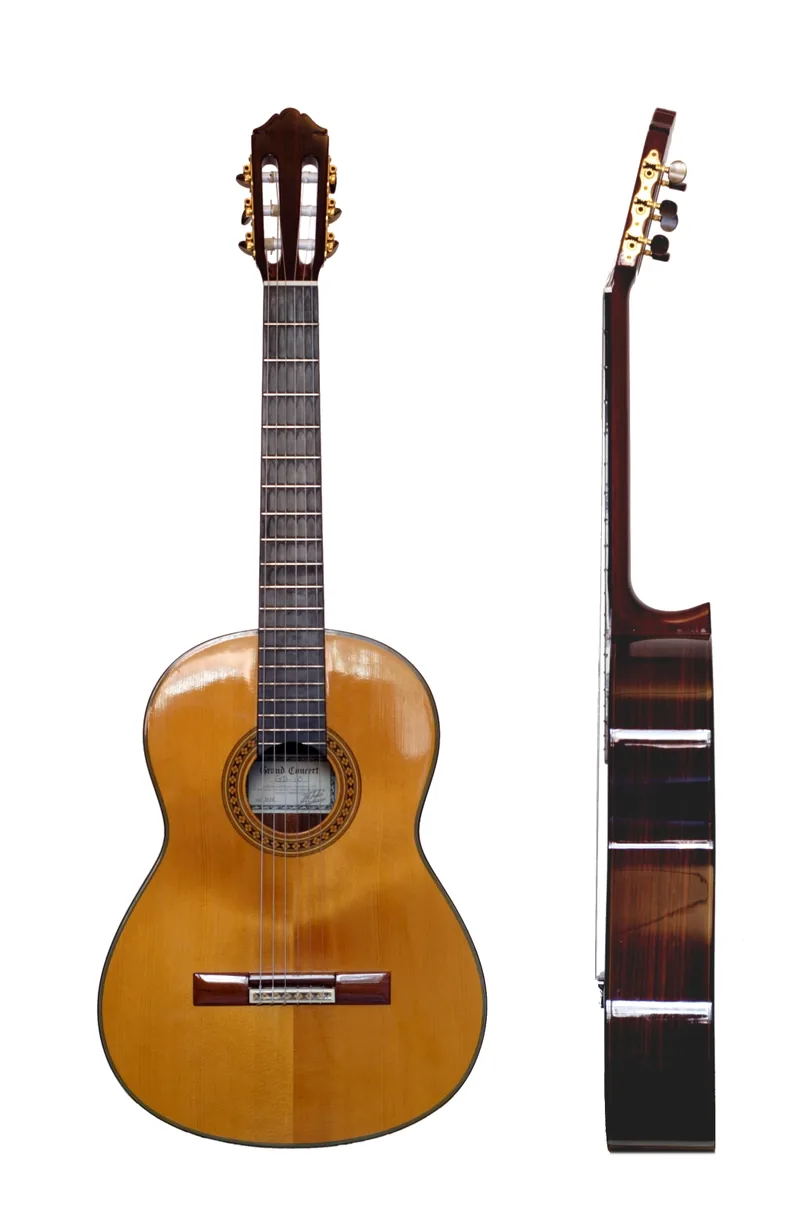
Portugal has more guitars than visitors expect, and the names overlap. The Portuguese guitar is not the same thing as a classical guitar played in Portugal, and a viola is a guitar-like instrument in its own right. On a Madeira trip you may hear all three of the plucked instruments below, in a church, in a fado house or in a folk group. Knowing the difference helps you decide which evening you are booking and what to listen for.
The classical guitar
A classical guitar has six strings, all of them nylon or nylon wrapped with metal, according to Wikipedia. It says the three lower strings are usually wound with silver-plated copper wire, and that before 1948 guitars were mostly strung with animal gut or silk. The right hand plucks with the fingernails and the player usually sits. Wikipedia credits the Spanish maker Antonio de Torres with the modern design and Andrés Segovia with popularising the instrument in the 1920s. This is the instrument the Funchal quartet uses.
The Portuguese guitar
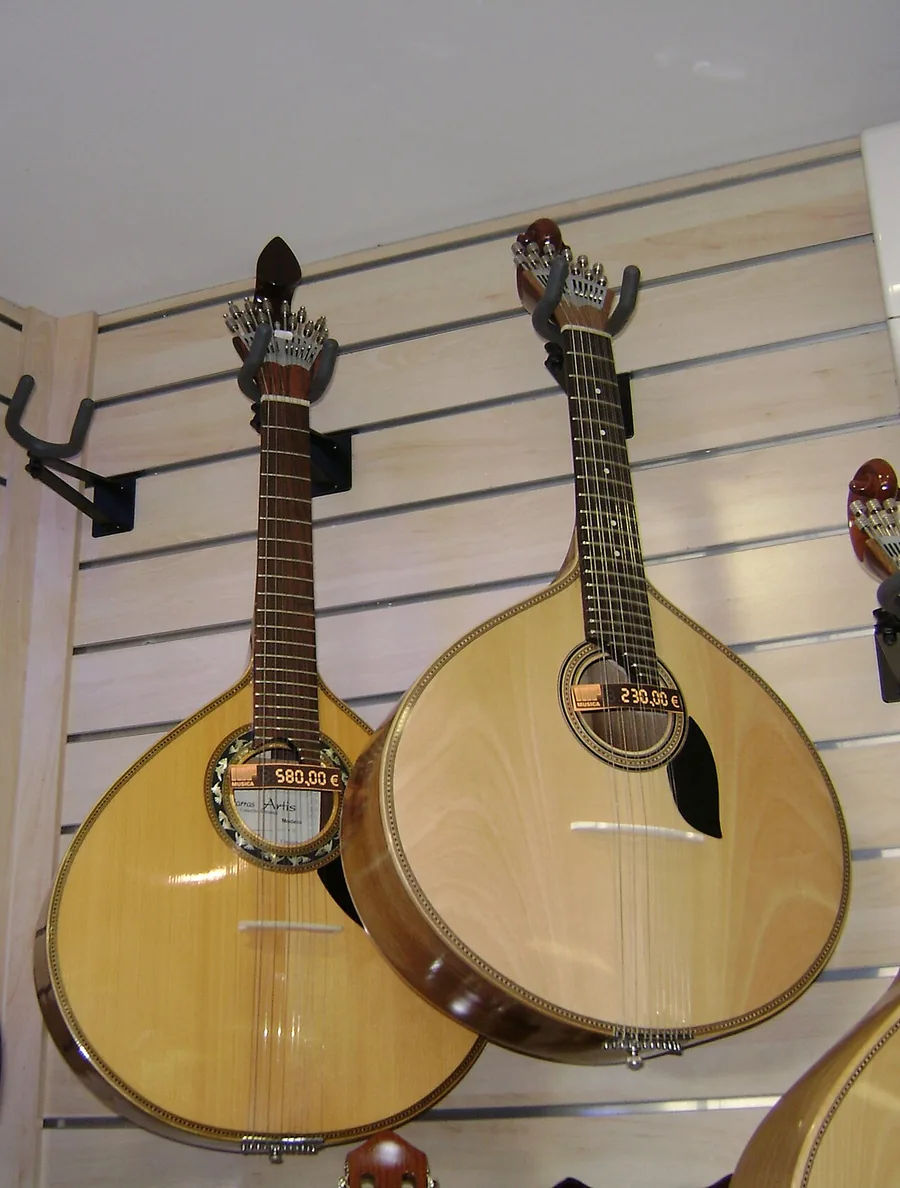
Wikipedia says the Portuguese guitar has twelve steel strings grouped into six courses of two, and calls it iconically associated with fado. It comes in two main models, Lisbon and Coimbra, tuned a major second apart. Wikipedia calls it a descendant of the medieval citole and says the English guitar, a type of cittern, reached Portugal around 1750 and shaped it. Wikipedia says the Lisbon model has a brighter, more resonant sound and the Coimbra model a darker timbre. It is not what the quartet plays, though fado is among the music visitors say they hear.
The viola de arame
The viola de arame, also called the viola da Madeira, comes from Madeira. Wikipedia says it has nine steel strings in five courses, sometimes ten, tuned in open G major, with a scale length of about 560 millimetres. Visit Madeira lists it among the instruments of Madeiran folklore, beside the machete, the braguinha, the triangle and the brinquinho. It sits at the heart of the island's folk sound, and a folklore evening is the place to hear it, not a classical guitar concert.
How they sound next to each other
Steel strings and nylon strings differ in feel and in sound. Wikipedia notes that nylon strings carry much lower tension than steel, so a classical guitar needs no steel truss rod and can have lighter bracing. Four classical guitars together make a close, blended sound that suits a small room. Expect detail and shifting colour. Wikipedia adds that the classical guitar has twelve frets clear of the body and is usually played seated, while steel-string guitars are usually played with a strap.
Which one is at the concert
The Funchal Guitar Quartet specialises in classical guitar, says the booking page. A September 2024 preview in DNoticias introduced four guitarists trained in classical guitar and described a programme of Portuguese traditional and popular music alongside contemporary compositions. So you will not hear a Portuguese guitar or a viola de arame at this concert, though music with those roots may appear on classical guitars. That is part of the charm: a fado tune, heard on instruments that were not made for it.
What to notice
Notice how the four parts divide the work: one guitar may carry the tune while another provides the bass and a third plays chords. Wikipedia describes tremolo on the classical guitar as a pattern in which the same finger never plucks two strings in a row, which creates the illusion of a sustained note. The DNoticias preview says the quartet also uses modern string techniques and sound effects. Let the commentary between the pieces tell you what to expect, and watch the hands.
Frequently asked questions
How many strings does a classical guitar have?
Six. Wikipedia says all six are nylon, or nylon wrapped with metal.
What is a Portuguese guitar?
A twelve-string, steel-strung instrument tied to fado, made in Lisbon and Coimbra models. It is not the instrument the quartet plays.
What is the viola de arame?
A Madeiran instrument with nine steel strings in five courses, sometimes ten, used in the island's folk music.
Will I hear fado at the concert?
Visitors mention fado among the pieces, played on classical guitars. The programme can change, so it is not promised for your night.
Sources